01
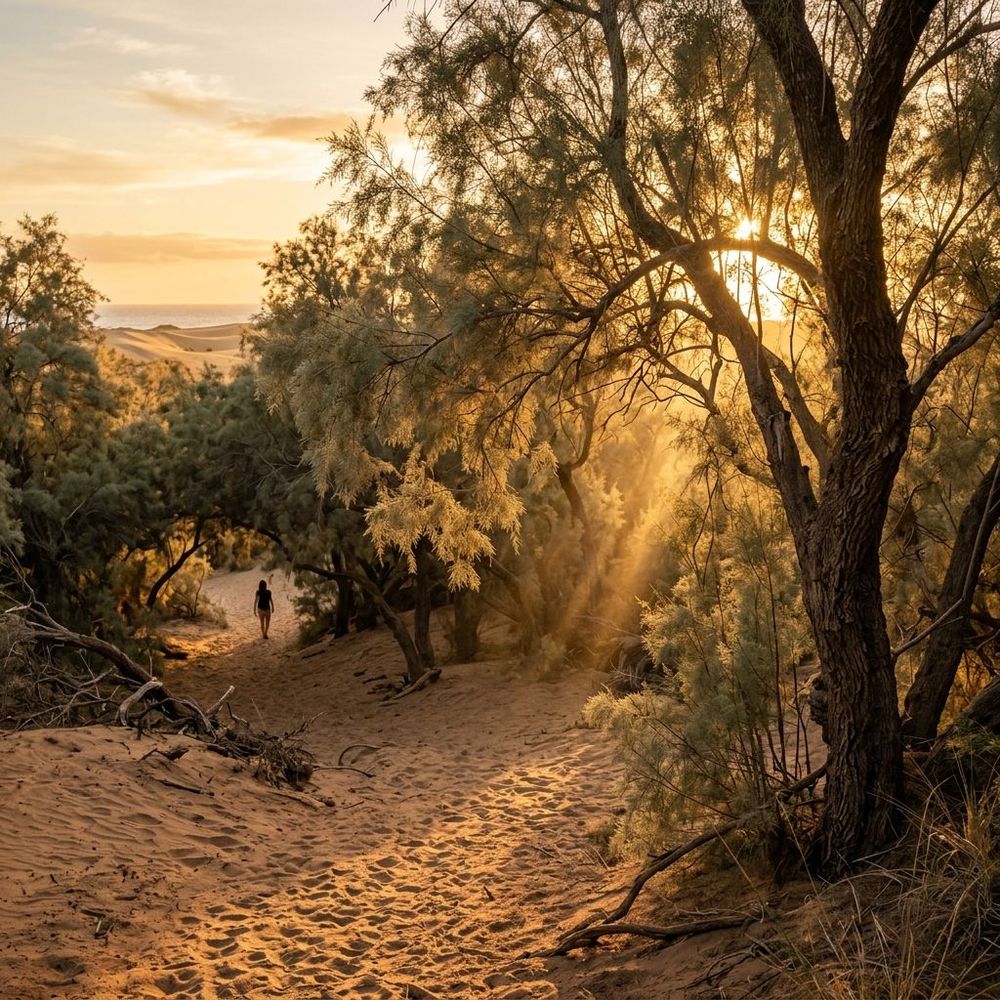
Tarajales Forests
Dominated by the Canary tamarisk, these forests are the perfect refuge for insects, lizards and birds of prey.

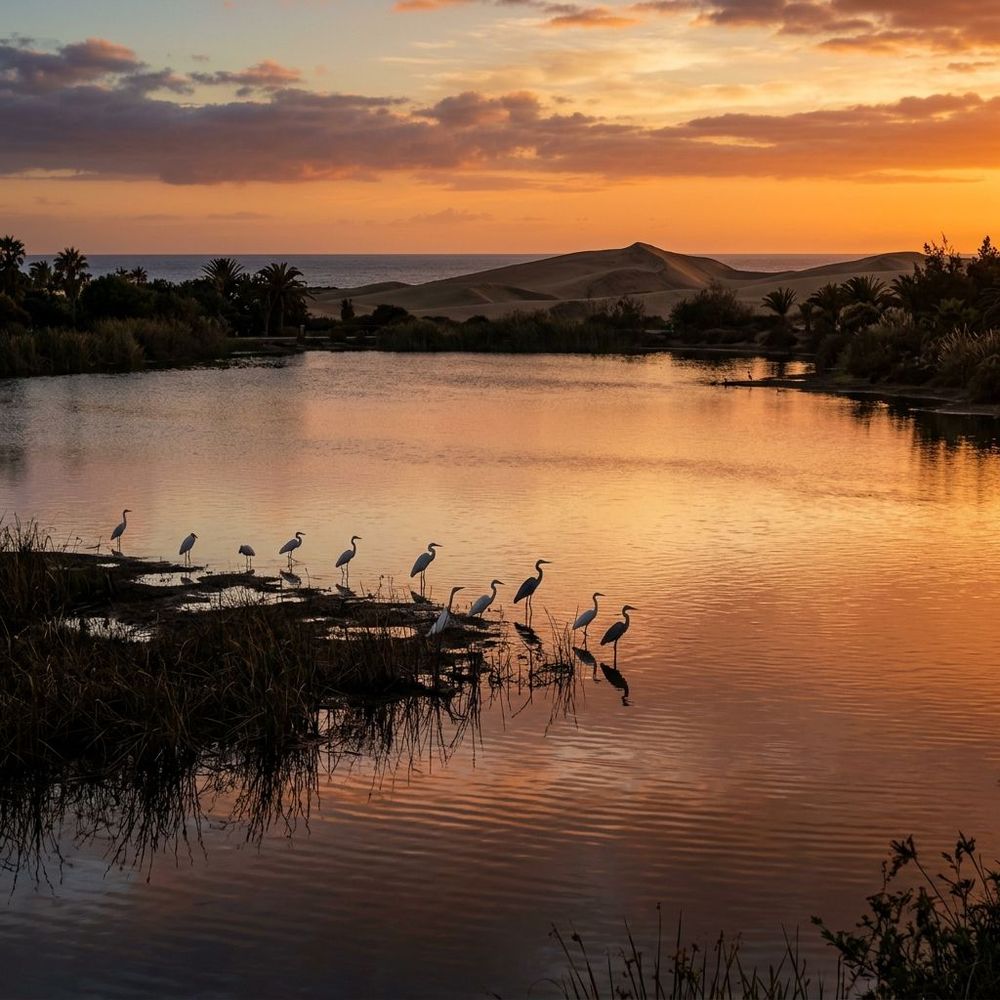
An oasis of biodiversity where the fresh water of the ravine meets the ocean.
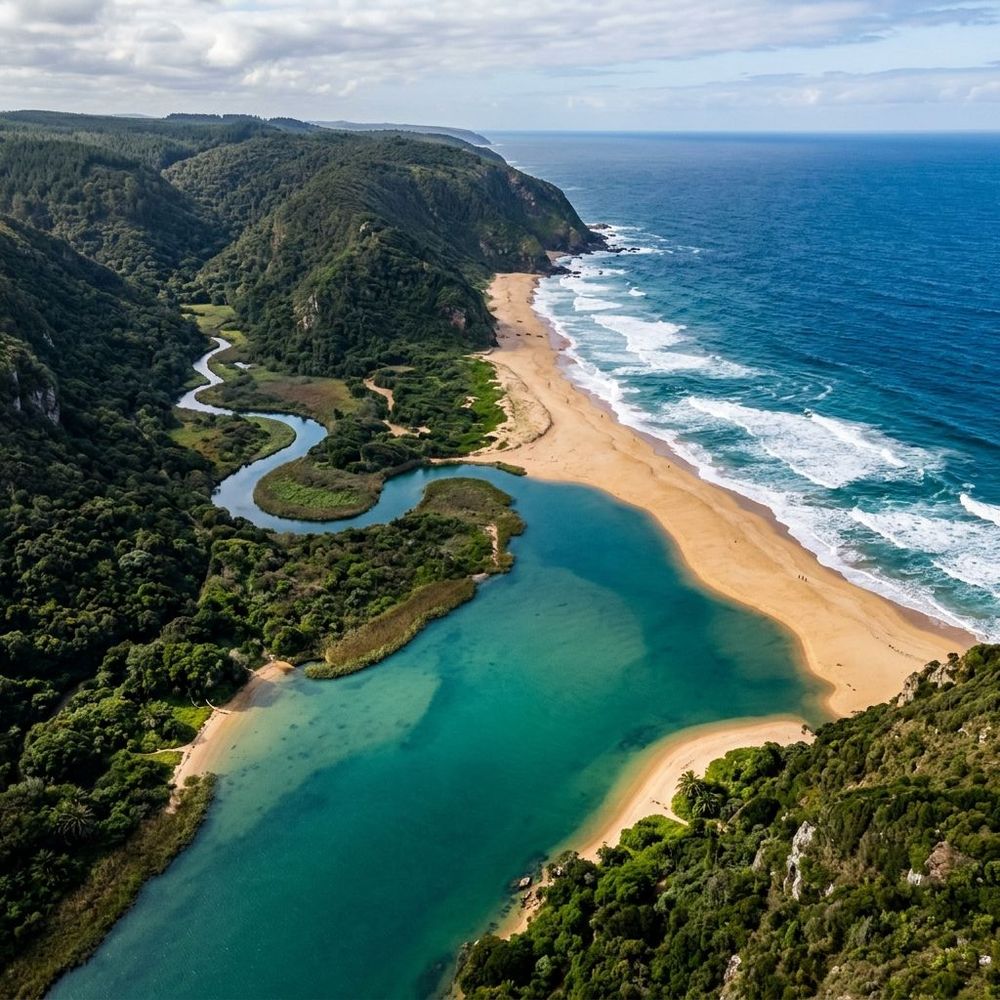
The landscape before you is unique and of significant ecological value. The wetlands, tamarisk forests, shrubs surrounding the lagoon, and dune fields create a variety of habitats vital to sustaining the rich biodiversity of this area, where birds are particularly abundant and diverse.
This iconic enclave of Gran Canaria is protected by the Canary Islands Network of Natural Areas as a Special Nature Reserve and by the European Natura 2000 network as a Special Area of Conservation (SAC).
This coastal lagoon is a wetland located at the mouth of the Maspalomas ravine, separated from the sea by a sandbar. Its water is fed by the ravine's underground streams and, occasionally, by runoff, which provides nutrients, and by the powerful waves of storms, which bring with them diverse species.
Its most unique function is to serve as a transition between terrestrial and marine ecosystems, and its great richness and diversity of both life and landscapes make it one of the most complex and dynamic ecosystems on the planet, though also one of the most fragile.
Until the 1990s, this was the natural habitat of 20 species of fish, such as eel, sea bass, grouper, grunt, white seabream, gilthead seabream, pompano, mullet, goby, and barriguda, among others, in an environment dominated by the aquatic plant Ruppia maritima. Today, various factors have substantially altered its balance, and efforts are underway to restore it.
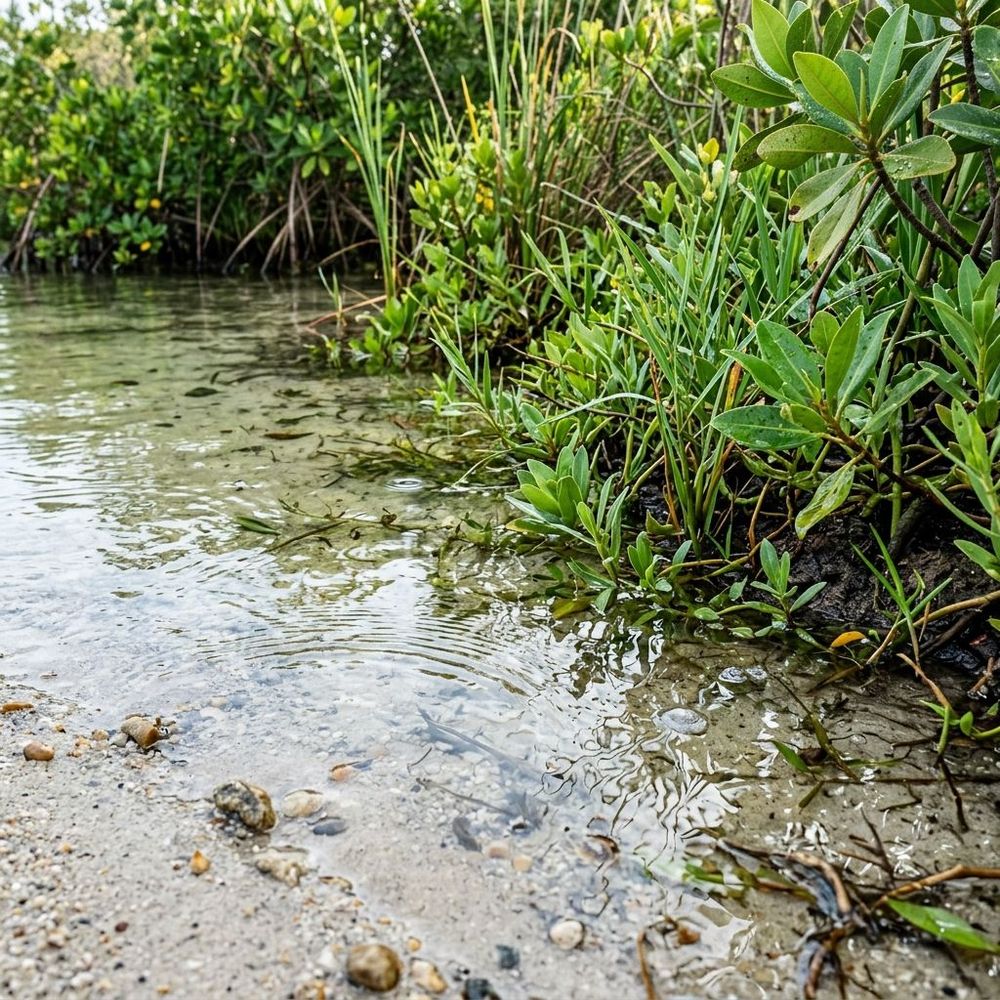


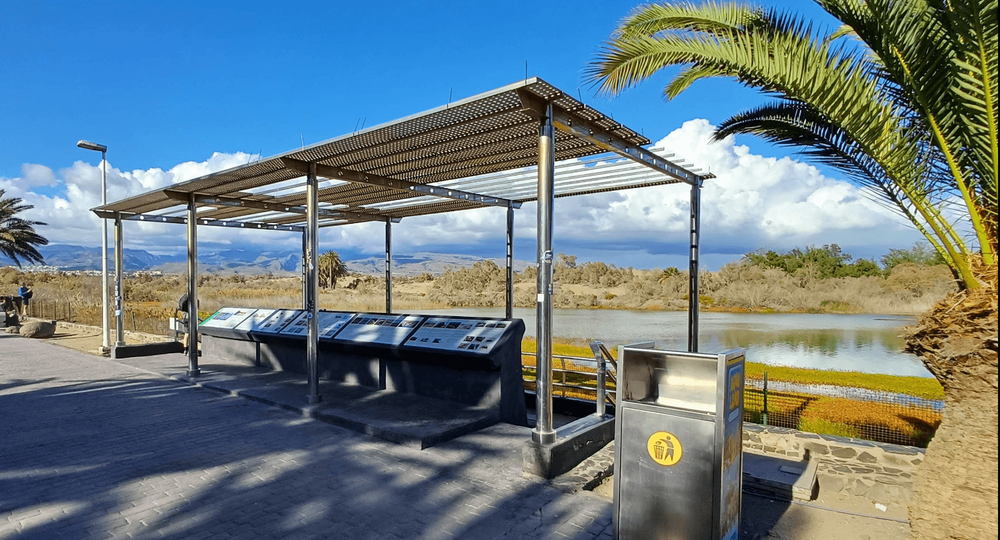
Strategically located on the shore of the lagoon, this corner is a refuge for the observer.
The Maspalomas Charca is not just a landscape; it is one of the few wetlands in the Canary Archipelago.
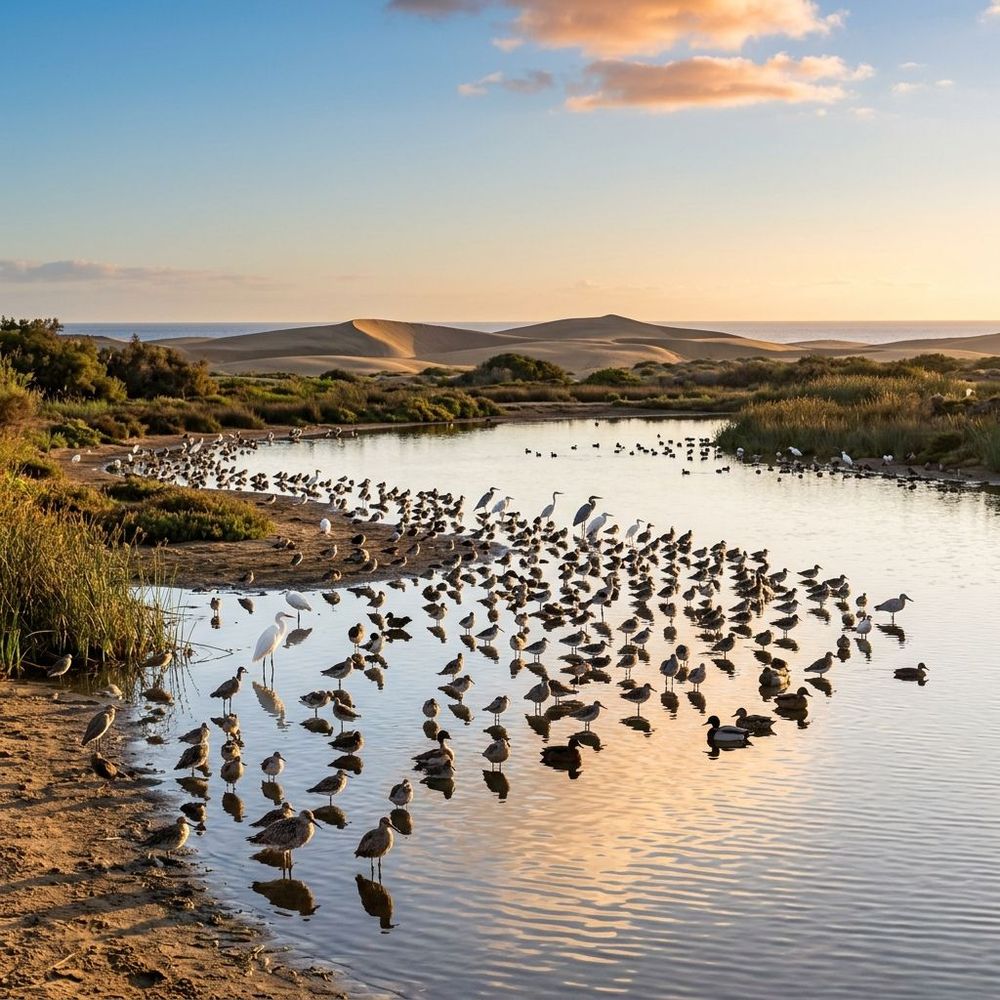
Tip for visitors If you want to witness this spectacle, come at dawn or dusk. These are the magical times when the variety of species is most visible.
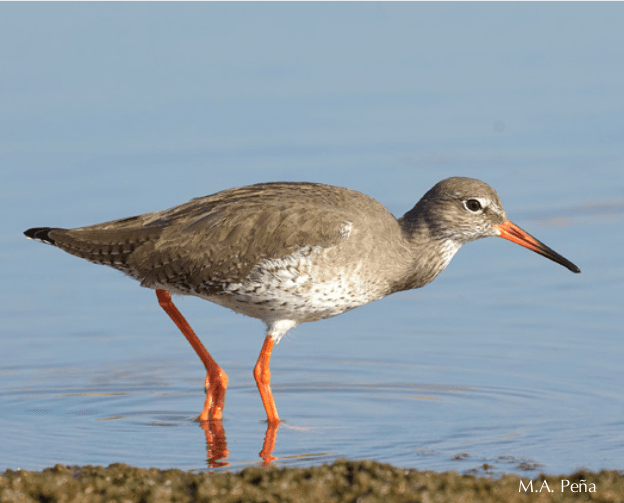
archibebe común
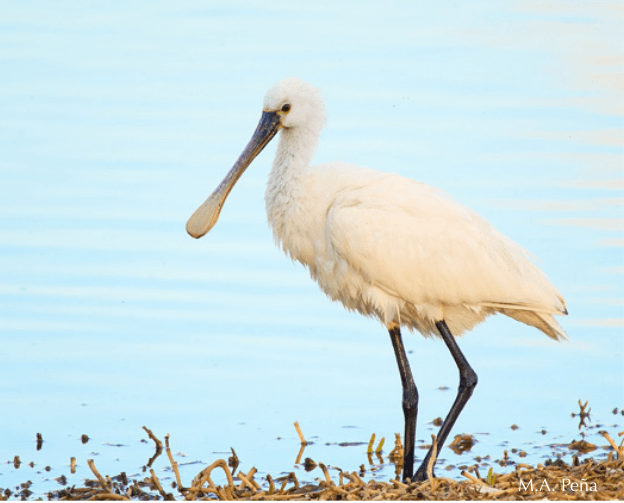
espátula común
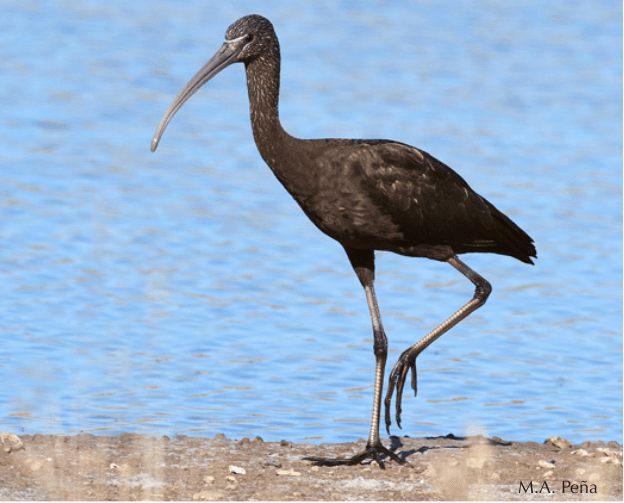
morito común
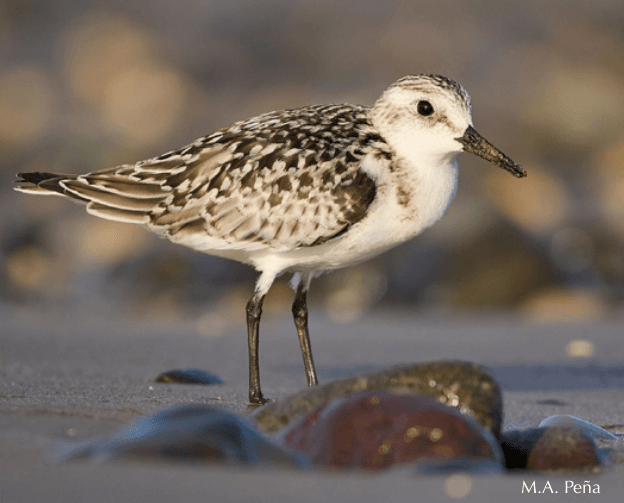
correlimos tridáctilo
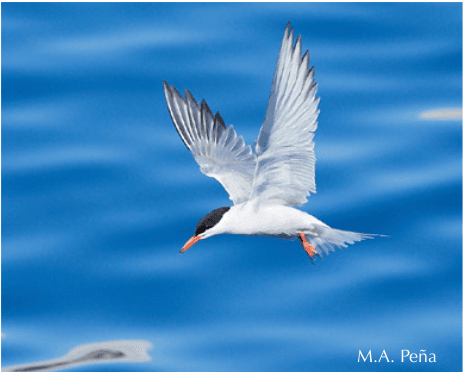
charrán común
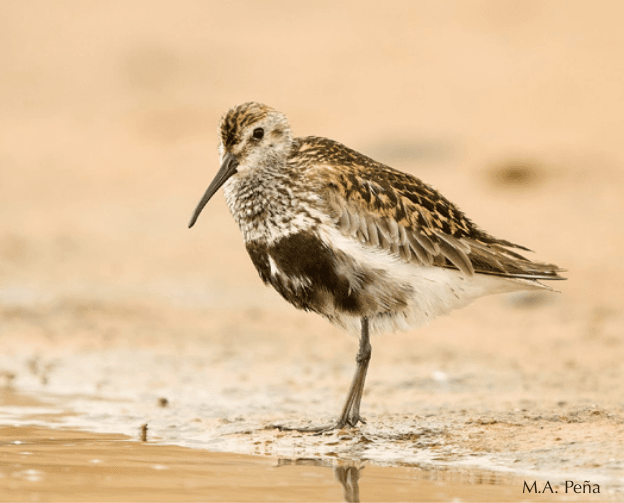
correlimos común
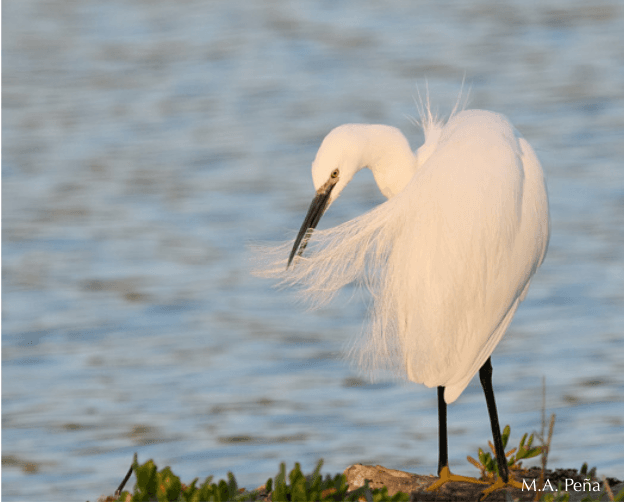
garceta común
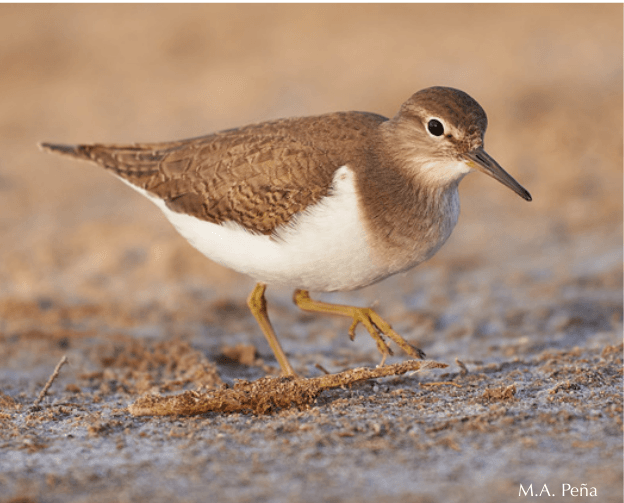
andarríos chico
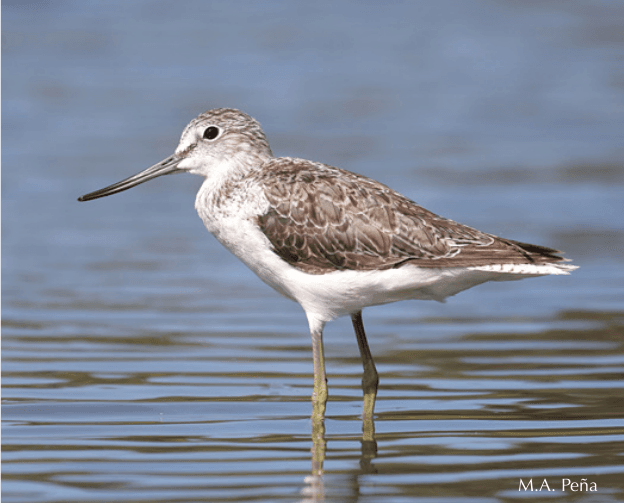
archibebe claro
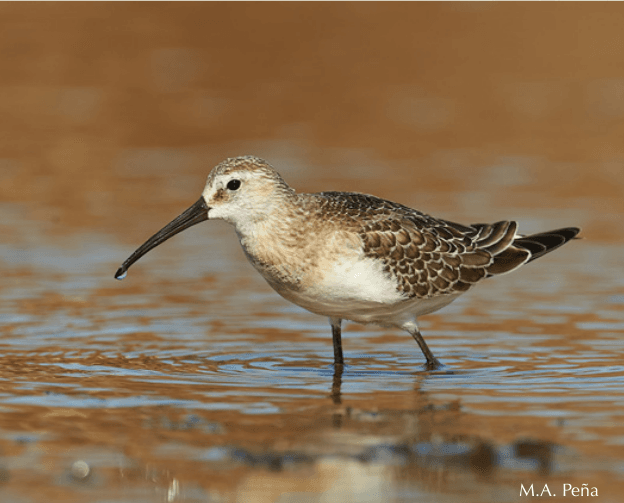
correlimos zarapitín
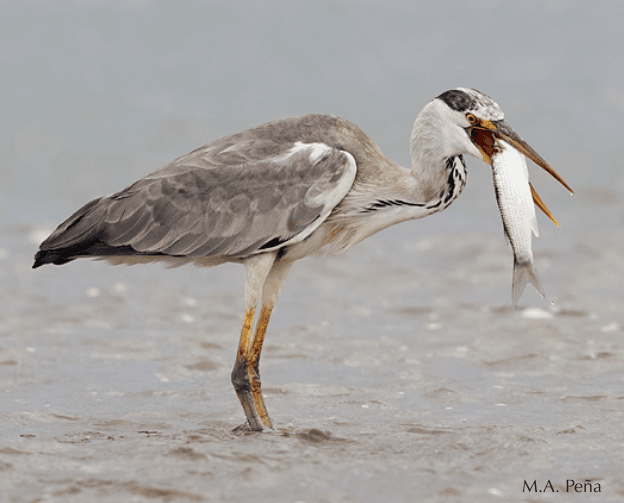
garza real
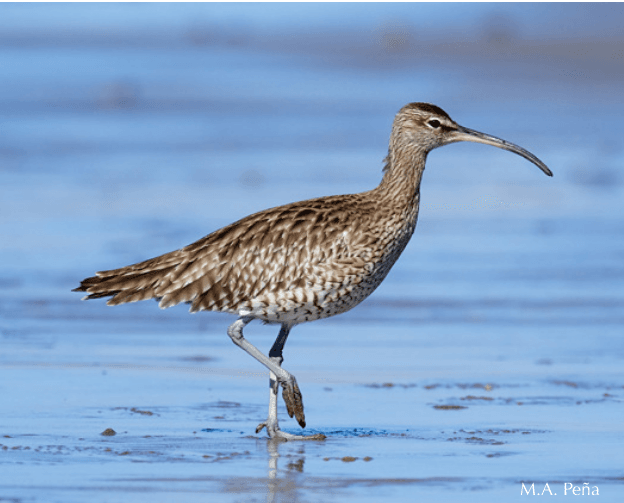
zarapito trinador
The Maspalomas Charca is not just a landscape; it is one of the few wetlands in the Canary Archipelago.

After long days of flying over the ocean.

And to recover energy thanks to the richness of the ecosystem.

With other species from the same and different families.

In some cases, when conditions are right.
Your observations help us protect this oasis. Record your sightings on these global collaborative networks.
The lagoon's surroundings are not uniform. Within a few meters, four distinct ecosystems intertwine, differentiated by salinity and sand, each playing a critical role as a natural barrier and refuge.
Dominated by the Canary tamarisk, these forests are the perfect refuge for insects, lizards and birds of prey.
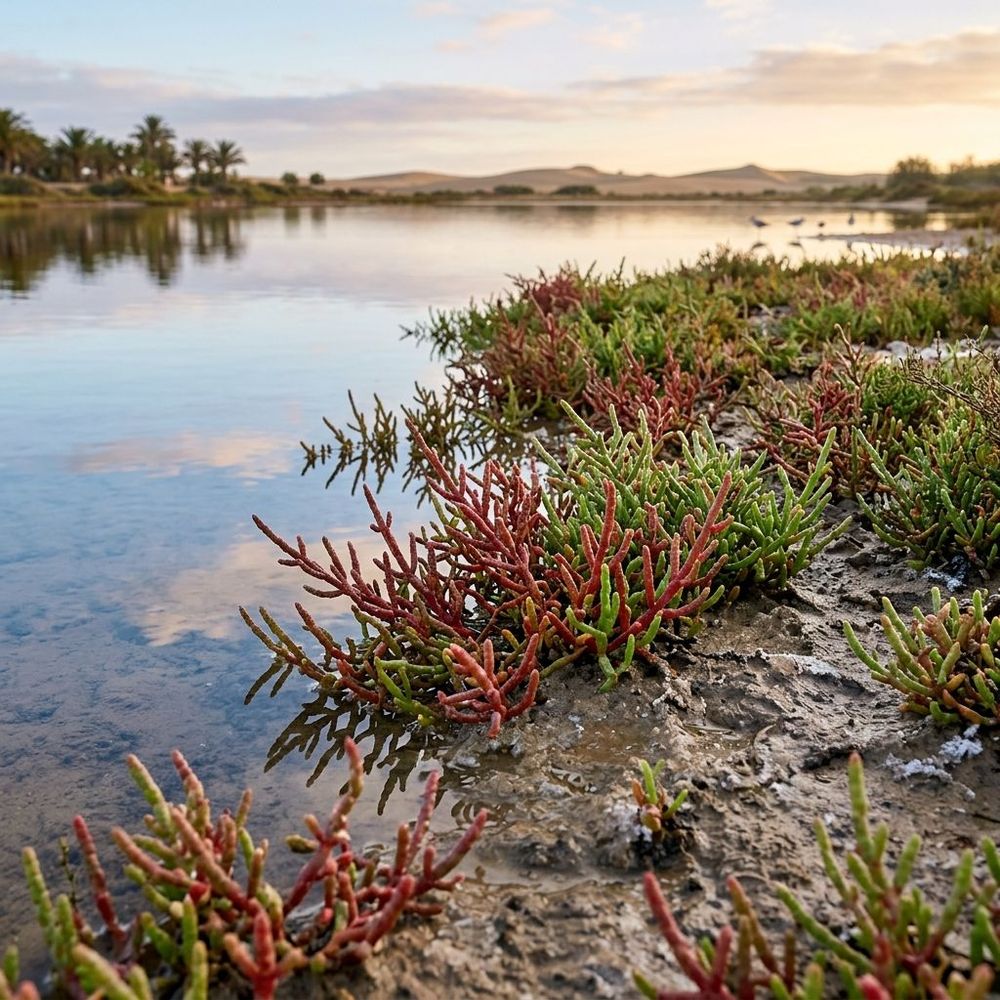
Reeds, bulrushes and rushes where birds hide to feed, drink and nest in total tranquility.
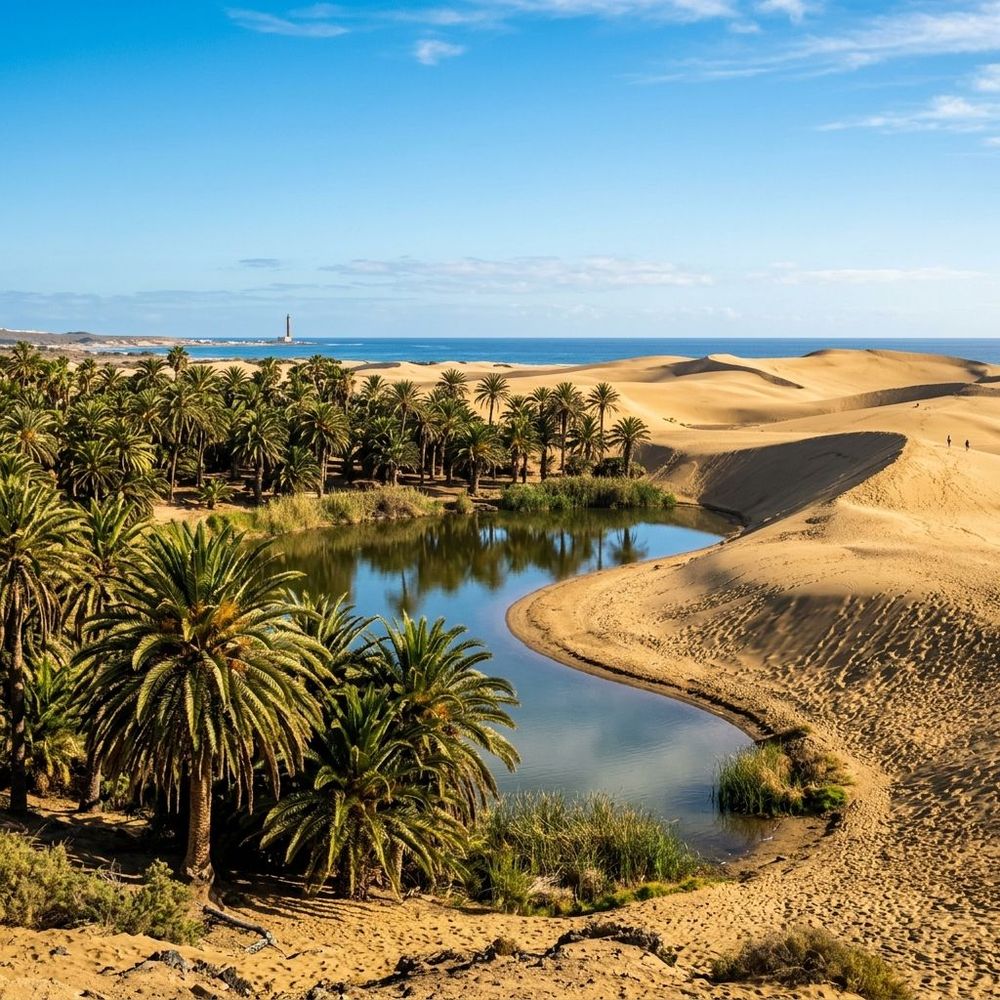
A Canary Island palm forest that provides shelter to bats, geckos and small songbirds.
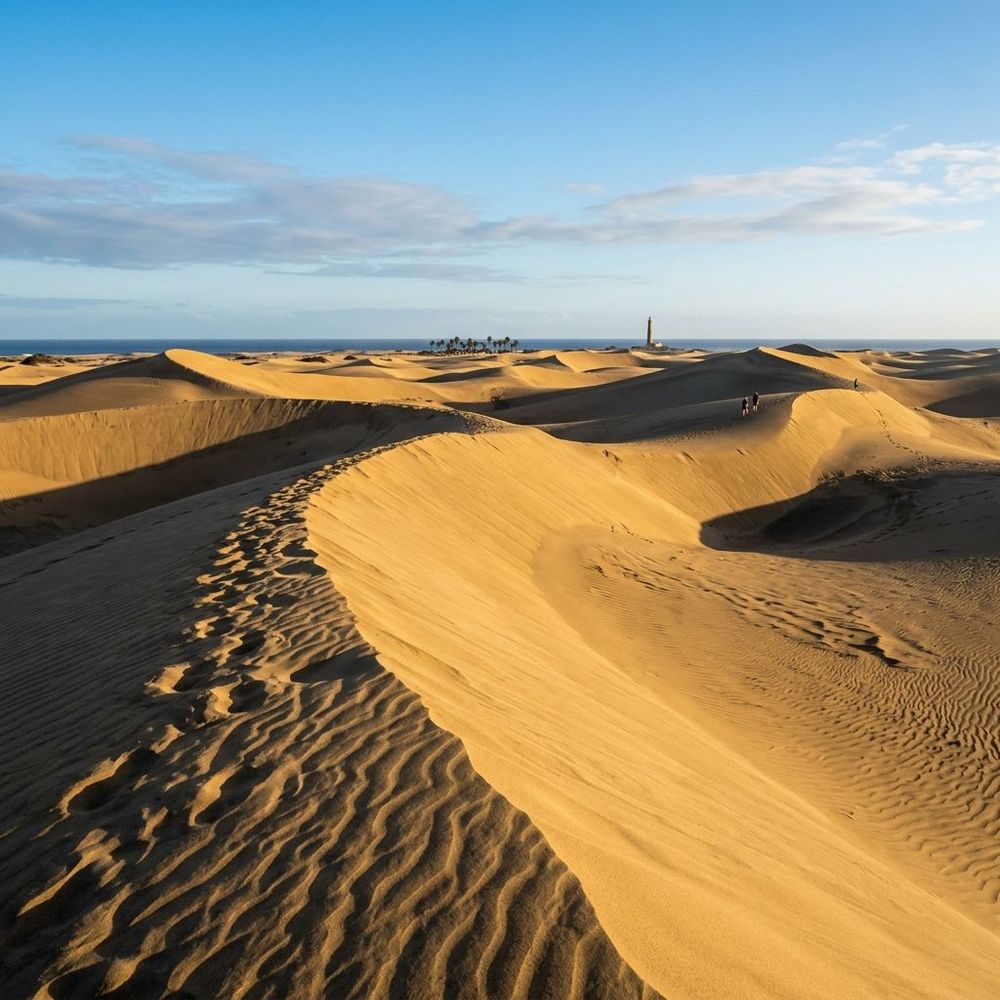
A dynamic landscape that shelters resilient and essential species such as the rockrose and the rush.
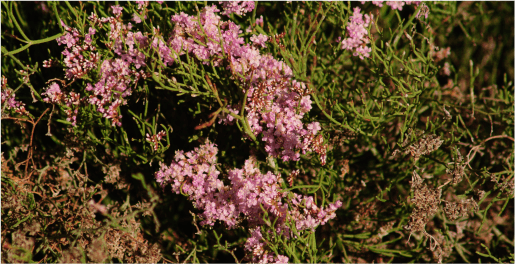
 Limonium tuberculatum
A species that has been reintroduced in Maspalomas in recent years, having previously disappeared due to tourism development beneath the sand, where it fed on groundwater.
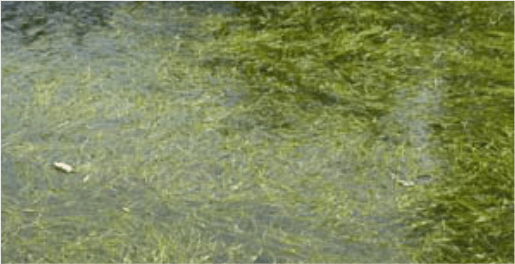
 Ruppia maritima
A plant typically found in brackish lagoons.
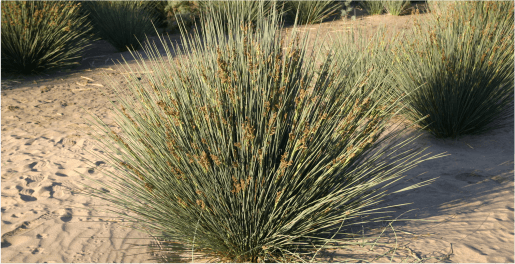
 Juncus acutus
A plant that requires a great deal of water (a hygrophilous plant), which is why it is found only in the damp interdune depressions and along the edges of the Maspalomas Pond.
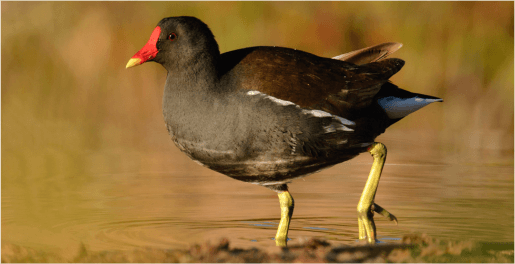
 Gallinula chloropus
A common species found throughout Europe and Asia. It is an omnivorous bird that nests on the ground in areas with dense vegetation.
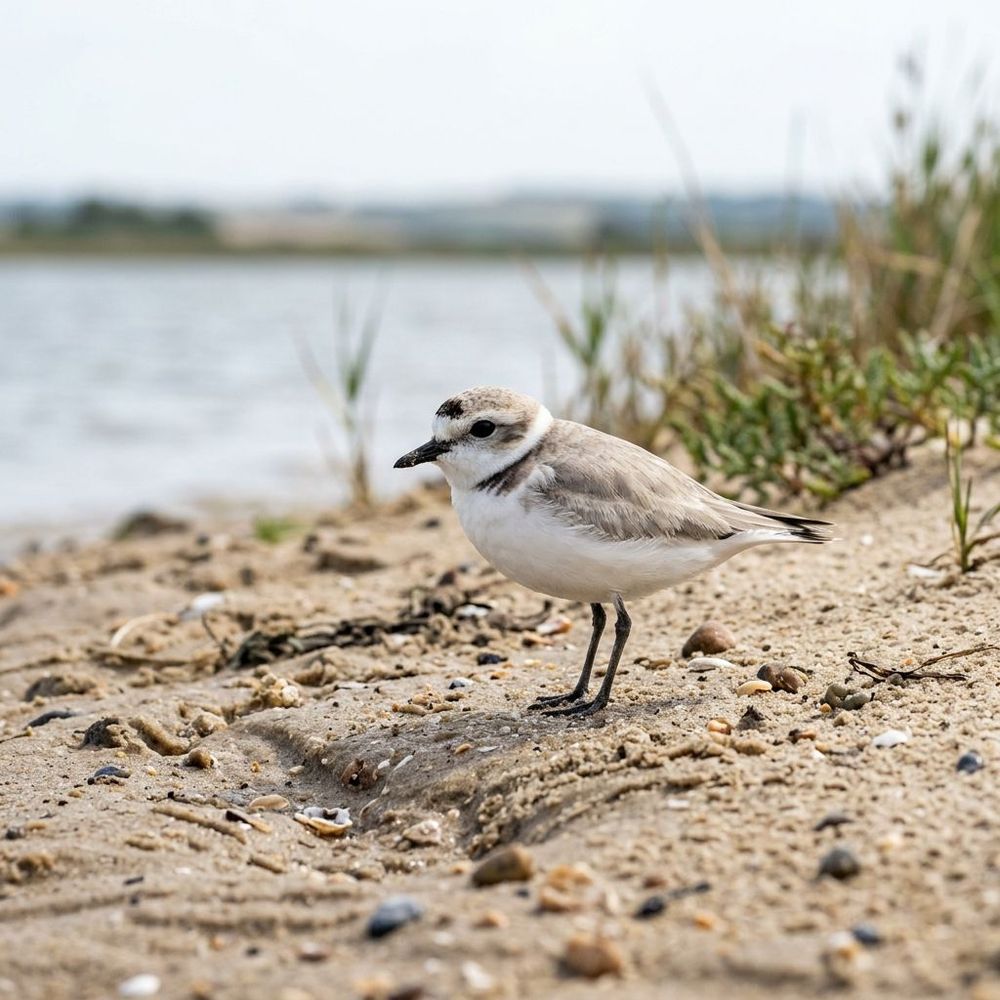
La Charca is one of the few places on the island where the Kentish plover finds the privacy necessary for its reproduction.
Its importance is critical: the global population has declined by 70%. This lagoon represents the hope of saving the species on the island.
They nest between February and July in small depressions in the sandy soil. Respect for their space is vital.
Beyond the herons and coots, la Charca is the hunting ground of the winged sentinels.
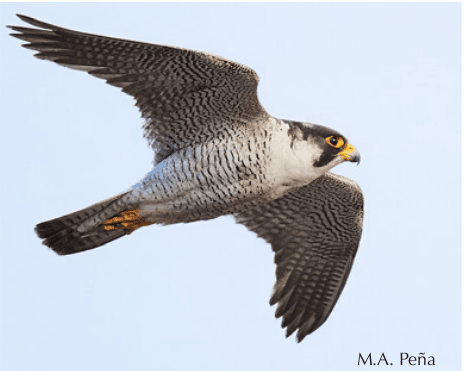
 Halcón Tagarote
 Considered the fastest falcon in the world in a straight dive, it uses the pond as a strategic spotting point.
 Búho Chico
 The night watchman of the tamarisk groves, whose presence is a bioindicator of the health of the Barranco riverbed.
La Charca is an extremely fragile ecosystem. Factors introduced by rapid urbanization and climate change threaten the water balance and the viability of its native species.
Invasive alien species are one of the main causes of biodiversity loss in the world, and in this oasis the worst enemies of birds have been unleashed.
Cats hunt by instinct even when well-fed, attacking eggs, cubs, and adults.
Feeding stray cats also attracts rats and hedgehogs, which become an additional threat to nests.
Please do not abandon your pet or feed animals in the area; there are specific places to surrender animals that you cannot keep.
The presence of trash such as plastics, containers and food scraps seriously alters the landscape and life of the Reserve.
Beer cans and bottles attract marshmallow beetles with the smell of yeast, becoming deadly prisons for them.
Fishing waste and plastics cause the death of birds such as the Eurasian oystercatcher.
Avoid unnecessary packaging, separate your waste properly, and never leave a trace of your visit.
The balance of the pond has been broken by the irresponsible introduction of exotic species that dominate the environment.
Since its release in 2017, this voracious fish has wiped out 20 native fish species and aquatic vegetation.
The parakeets compete for food and nests, preventing local species from resting with their excessive noise.
Releasing an exotic animal has fatal consequences; always seek legal alternatives before releasing any pet.
Stress caused by human presence is one of the main reasons why birds abandon their nests.
People who shout or make noise scare birds at critical moments in their life cycle.
When leaving the paths, one can inadvertently step on the nests of the chorlitejo patinegro, which are simple depressions in the sand.
Respect the maximum protection zone and use only the official paths to travel through the dunes.
Humans are altering the planet's balance at an unprecedented rate, directly affecting this wetland.
In the last century, the temperature has risen 1°C and the sea level has risen 20 cm, causing the shoreline to recede.
It is predicted that by the year 2100 the sea will flood a large part of the dune field and be permanently connected to the Charca.
You can curb this situation by consuming responsibly and offsetting the carbon emissions from your travels.